Tamarind
Latin Name: Tamarindus Indica
Type: Herb
Tamarind is a leguminous plant that is native to Africa; high in nutritional value as it contains good amount of fibre, B vitamins, magnesium, iron, and polyphenols with antioxidant property.
It produces long, curve brown pod-like fruits that look like peas. Each pod contains a number of small brown seeds, surrounded by reddish-brown pulp that is often used in cuisines to give a tangy, delicious taste.
The edible pulp is used as traditional medicines for several health conditions, such as diarrhea, constipation, heat stroke, sore throat and diabetes. Being a good source of potassium and antioxidants, tamarind is also a potential remedy to protect heart from conditions like high blood pressure and high cholesterol level. Recent studies started to look at its anti-inflammatory property that is useful to manage joint pain and inflammation, arthritis, rheumatic conditions and gout.
Share
Stay Inspired with Health Trends

18 Aug 2026
LAC Acquires MASQUELIER’S® French Pine Bark Extract; Continues Business Expansion Across East Asia, the Middle East and Africa
(18th August 2026)

08 Mar 2026
Sick of Being Sick? Same...
Be honest, how many times have you said, “I think I’m coming down with something” this year? One minute you’re fine, the next you’ve got a sore throat, blocked nose, zero energy and suddenly your whole week is ruined.
20 Jan 2026
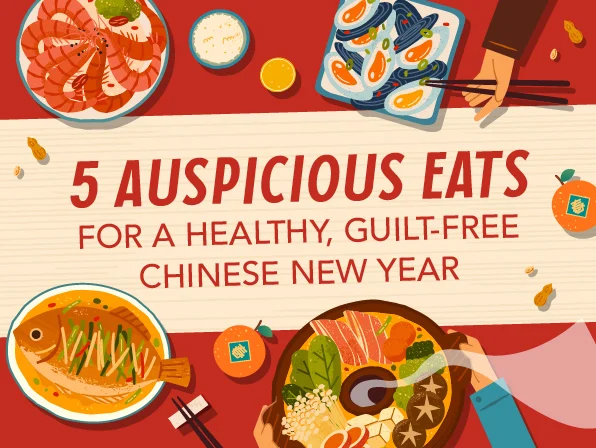
5 Auspicious Eats for a Healthy, Guilt-Free Lunar New Year
What is Lunar New Year (LNY) without a big feast?

15 Dec 2025
Smash Your 2026 Goals with Smarter Support: From Brain to Bones
New year, fresh start: but let’s be honest, resolutions often fade faster than your willpower in week two. What if you could actually stick to your goals this year, with a little help from LAC supplements?
30 Sep 2025
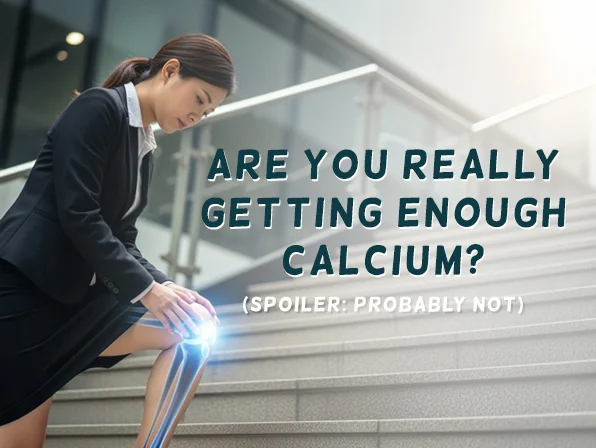
Are You Really Getting Enough Calcium?
Calcium is a mineral you hear about from a young age. Your parents telling you to drink your milk, health gurus promoting leafy greens, and the constant advice to look after your bones as you get older. But here’s the truth despite all this, most aren’t getting enough calcium in diets. Shocking, right?
09 Sep 2025
5 Skincare Tips For A Moon Goddess Glow
Radiant, flawless skin starts from within—nourish, hydrate, protect, rest, and support with targeted supplements like LAC Taut® for a healthy, effortless glow.
05 May 2025
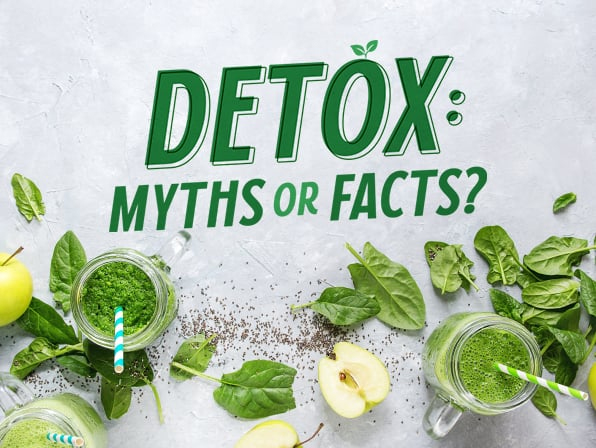
Detox: Myths or Facts?
Think your body needs a detox? Discover the truth behind popular detox myths—and what actually works!

29 Jun 2025
Feeling Forgetful, Foggy, and Fatigued? Reclaim Your Focus!
Have you ever walked into a room and forgotten why you were there? Or struggled to find the right word mid-conversation? Maybe you’ve reread the same email three times and still can’t make sense of it? If so, you’ve probably encountered the frustrating cloud of brain fog.
15 May 2025
World Digestive Health Day: Why Your Gut Deserves the Spotlight
Is your gut trying to tell you something?

06 May 2025
Biohacking for Moms: Optimising Health for the Future
Feel energised, balanced & resilient—smart wellness tips for every woman this Mother’s Day.
15 Apr 2025
Ingredient Spotlight: Placenta and NMN
The concept of the “elixir of youth” has spanned over centuries and cultures – you have heard of myths, seen it in movies, books and even games. Ageing was once considered irreversible. However, with today’s modern science, it is possible to influence how well we age.